
Published: January 26, 2026
By: JunLiang Zhou, Senior Metals Analyst
Brass stands out as one of the most machinist-friendly copper alloys — it’s often the first material new shops cut when dialing in CNC parameters. With excellent chip formation, high speeds, and beautiful polished finishes, brass delivers high productivity and low tool wear. In 2026, demand stays strong for precision brass parts in plumbing fixtures, electrical connectors, automotive fittings, and decorative hardware, driven by construction rebound and EV charging infrastructure.
This dedicated guide focuses on brass machining: common grades, best processes, advantages/challenges, practical tips, tooling recommendations, and real-world examples. Whether you’re running high-volume production or prototypes, these insights will help you achieve clean, burr-free parts consistently.
CommonBrassGrades for CNC Machining
Brass selection depends on machinability, strength, and corrosion needs:
- C36000 (Free-Machining Brass)→ The gold standard — 100% machinability rating, with lead for superior chip breaking. Ideal for high-volume fittings and valves.
- C26000 (Cartridge Brass)→ Good formability and strength, lead-free option for cold working. Common in ammunition cases and drawn parts.
- C28000 (Muntz Metal)→ Higher strength for structural parts, still machines well.
- C46400 (Naval Brass)→ Enhanced corrosion resistance for marine applications.
- Lead-Free Options (e.g., C69300, Eco Brass)→ Increasingly popular for potable water and RoHS compliance.
Quick Tip: For maximum productivity, start with C36000. Switch to lead-free for regulatory requirements — they machine nearly as well with modern tooling.
Suitable Machining Processes for Brass
Brass excels across most CNC operations:
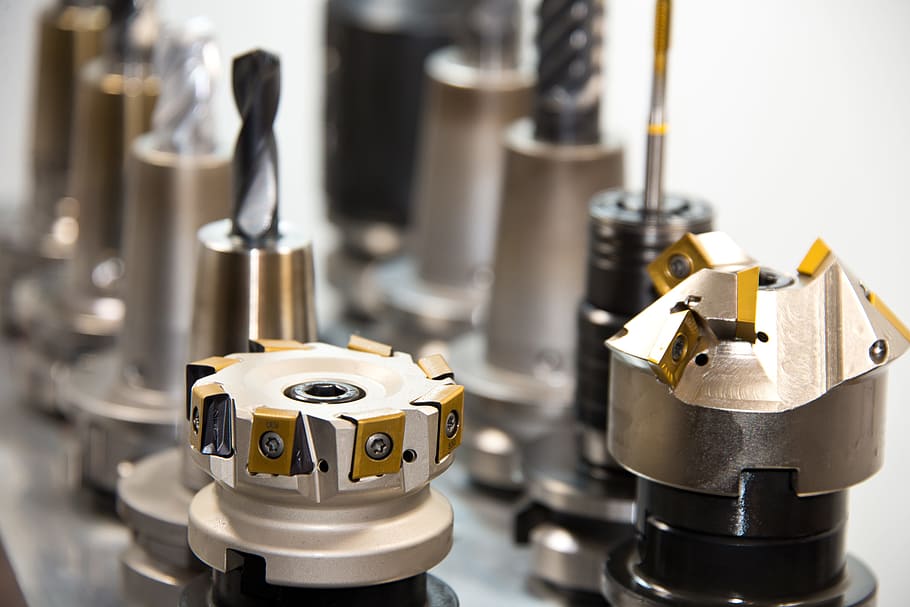
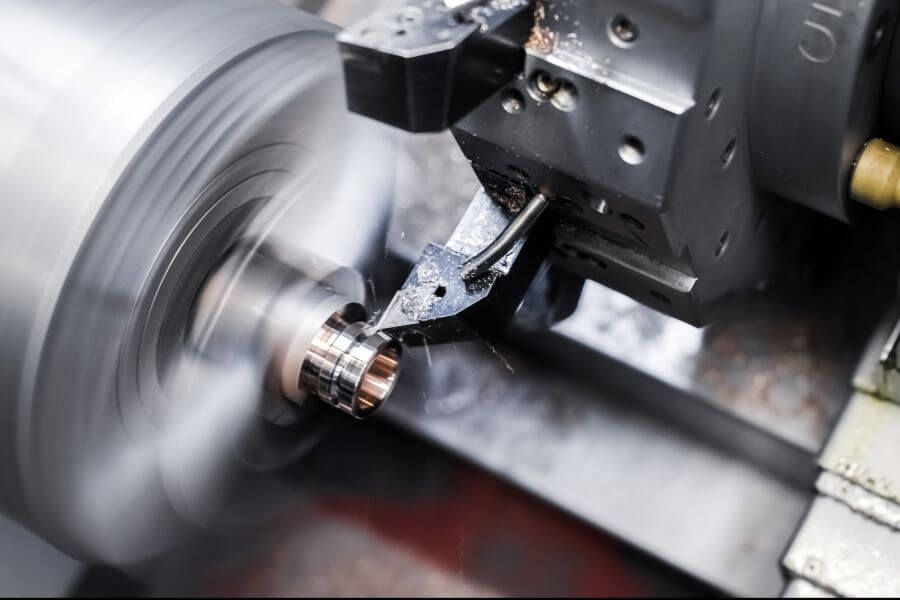
- CNC Turning— Perfect for shafts, fittings, and round parts — high speeds possible.
- CNC Milling— Great for complex geometries, slots, and pockets.
- Swiss-Type Machining— Ideal for small, high-precision pins and connectors.
- Drilling & Tapping— Clean threads with minimal burrs.
- Grinding/Polishing— Easy to achieve mirror finishes post-machining.
-
Advantages of Machining Brass
- Top-tier machinability— Short, brittle chips reduce nesting and improve evacuation.
- High speeds/feeds— Up to 3-5x faster than aluminum in many cases.
- Excellent surface finishes— Natural luster polishes easily.
- Good corrosion resistance— Especially naval brass in humid environments.
- Antimicrobial properties— Great for touch surfaces like door hardware.
Challenges & Practical Solutions
Brass is forgiving, but watch these:
- Lead content concerns (C36000)→ Use dust extraction and consider lead-free alternatives for health/regulatory reasons.
- Galling on threads→ Apply coolant liberally and use coated taps.
- Work hardening (in non-free-machining grades)→ Light, consistent passes.
- Burrs on edges→ Minimal with climb milling and sharp tools.
Pro Tip: Always use coolant — even air blast helps, but emulsion prevents staining and improves tool life.
-
Design Considerations & Tips
- Tolerances: ±0.005 mm routinely achievable; tighter with temperature control.
- Wall Thickness: Minimum 0.8 mm for stability.
- Radii: At least 0.3 mm to ease tool paths.
- Threads: Design for roll tapping where possible — faster and stronger.
- Finishes: Specify polishing or plating early for cost efficiency.
Tooling & Parameter Recommendations
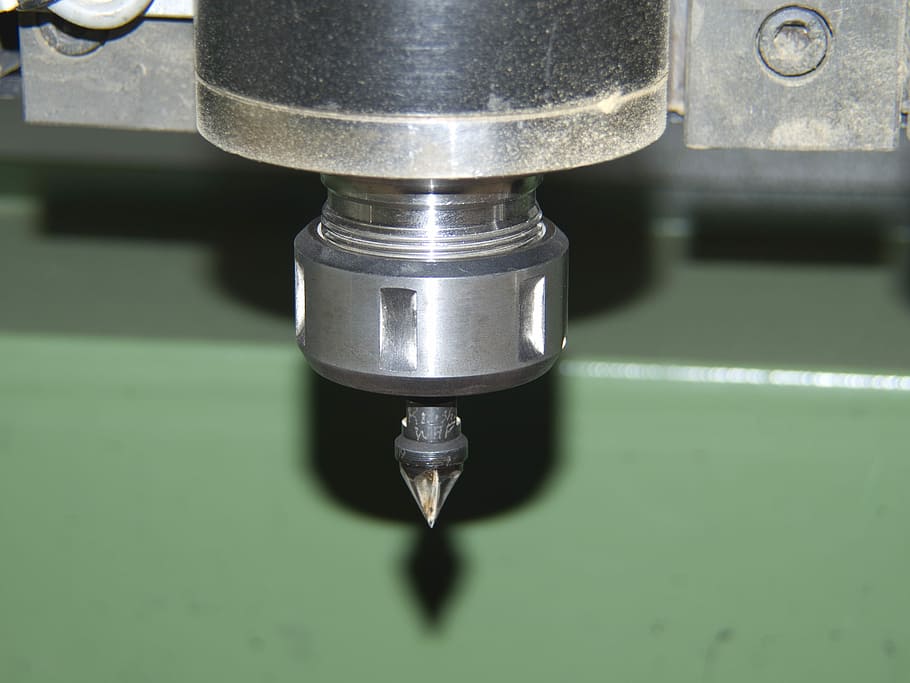
- Tool Material: Uncoated carbide for most; diamond-coated for volume.
- Example Parameters (C36000, 10 mm end mill):
- Spindle: 10,000-15,000 RPM
- Feed: 2,000-4,000 mm/min
- Depth: 1-3 mm axial
- Coolant: Flood recommended — prevents discoloration.
-
Real-World Applications
- Plumbing fittings and valves
- Electrical terminals and connectors
- Precision gears and locks
- Decorative hardware and musical instruments
- Automotive sensors and fasteners
Cost & Sustainability Factors in 2026
Brass remains cost-effective (~$6-9/kg depending on grade), with excellent scrap value. Lead-free grades are gaining traction for green building certifications.
Final Thoughts
Brass machining offers some of the best productivity and finishes in non-ferrous metals. With the right grade and setup, you’ll get reliable, high-quality parts every run.
Ready to start your brass project? Download our latest brass alloys catalog for stock availability and specs, or contact our team for custom quotes and machining support.
-
Post time: Jan-26-2026