
I’ve fitted phosphor bronze parts into more assemblies than I can count, and it always surprises folks how well it performs in spots needing repeated flexing or reliable electrical contact under load. Alloys like C51000 or C52100, with their 5-8% tin and phosphorus deoxidizer, give you outstanding spring properties, fatigue resistance, and decent conductivity without going soft over cycles. It’s not the brute for massive sliding loads like some bronzes, but for control elements, switches, or light bearings in heavy equipment, phosphor bronze keeps things accurate and connected longer than you’d expect.
Here’s my rundown on the parts we turn out regularly, the industries that use them, how phosphor bronze compares to brass, aluminum bronze, and tin bronze, and the solid role it plays in keeping big operations precise and reliable.
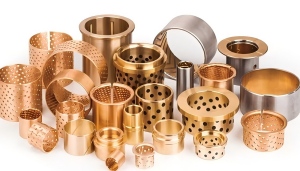
Phosphor bronze machined parts – springs, bushings, and contacts built for repeated flex and reliable performance.
Common Parts We Make from Phosphor Bronze
Phosphor bronze rolls or draws into forms that capitalize on its elasticity:
- Springs & Wave Washers→ Flat or coiled springs for preload or vibration damping – bounce back millions of times without losing tension.
- Electrical Contacts & Brushes→ Stamped or machined fingers/tips for switches or motors – maintain contact pressure with good current flow.
- Light Bushings & Sleeves→ Thin-walled or grooved bearings for guides or pivots – low friction with spring-back for alignment.
- Diaphragms & Bellows→ Thin plates or convoluted tubes for pressure sensing or flexible seals – handle cycles without cracking.
- Clips & Fasteners→ Formed retainers or terminals – grip firmly over time.
We produce these steadily, like our phosphor bronze springs, contacts, andbushings– often with customCNC profilingfor exact fits.
Industries That Use It Regularly
Phosphor bronze fits where precision and resilience count in bigger systems:
- Automotive & heavy vehicles (suspension sensors, fuel system valves)
- Industrial machinery (control switches, conveyor tensioners)
- Electrical equipment (relays, circuit breakers)
- Mining & construction (instrumentation contacts, light pivots)
- Aerospace & rail (actuator springs, connector clips)
Places needing parts that flex or conduct reliably amid vibration and load.
How Phosphor Bronze Compares to Brass, Aluminum Bronze, and Tin Bronze
Brass machines easier and cheaper, with okay corrosion resistance for general hardware – but it lacks the spring temper and fatigue life, sagging or cracking sooner in cyclic apps. Aluminum bronze brings raw strength and top seawater resistance, but it’s stiffer and less elastic – not ideal for repeated bending or contact pressure. Tin bronze excels at heavy, slow sliding with its conformability and embeddability, but it’s softer overall and doesn’t match phosphor bronze’s millions-of-cycles fatigue resistance or electrical performance.
Phosphor bronze’s standout: superior springiness, high cycle life, and balanced conductivity/corrosion – perfect for dynamic precision. Trade-off is lower ultimate strength than aluminum bronze and higher cost than basic brass.
For elastic control or contact elements in heavy setups, phosphor bronze often delivers longer, trouble-free service.
The Broader Role in Global Industry
These parts might seem small, but they enable precision in massive systems:
- Support accurate control and sensing in heavy equipment – improving efficiency and safety in mining/construction
- Ensure reliable electrical connections in power/distribution gear – keeping grids and plants online
- Contribute to lighter, more responsive designs in vehicles/machinery – aiding fuel savings and emissions goals
- Provide durable, recyclable components for core infrastructure
They’re the precise links that make big machines smarter and more dependable.
If you’ve got a spring or contact failing too often, check ourphosphor bronze machinery components or send your details– we’ve swapped in phosphor bronze on setups that needed better cycle life.
It’s not the toughest bronze, but for flex and reliability under load, it gets the job done right.
Post time: Jan-21-2026