
Published: January 29, 2026
By: JunLiang Zhou, Senior Metals Analyst
Phosphor bronze is renowned for its outstanding combination of elasticity, fatigue resistance, corrosion resistance, and low friction—making it essential for mechanical parts that undergo repeated cycles. The phosphorus addition enhances strength and deoxidizes the alloy, while tin provides durability. In 2026, with rising demand from automotive, electronics, and precision machinery, phosphor bronze is the material of choice for springs, connectors, and bearings that must perform reliably over millions of operations.
This guide addresses common phosphor bronze machining challenges for mechanical parts, key grades, processes, practical solutions, and tips to help you achieve high-cycle, fatigue-resistant components.
Phosphor Bronze Grade Comparison Table for Mechanical Parts
| Grade | Tin Content | Phosphorus | Key Strengths | Best For Mechanical Parts | Machinability | Relative Cost |
|---|---|---|---|---|---|---|
| C51000 | 5% | 0.1–0.35% | Balanced elasticity, fatigue resistance | Springs, connectors | Good | Medium |
| C52100 | 8% | 0.1–0.35% | Higher strength, better wear | Heavy-duty springs, bushings | Moderate | Higher |
| C54400 | 4% + Lead | 0.1–0.35% | Free-machining, good formability | High-volume contacts, pins | Excellent | Lower |
| C52400 | 10% | 0.1–0.35% | Maximum strength and spring properties | High-stress mechanical springs | Moderate | Higher |
Quick Tip: C51000 for standard mechanical springs and connectors; C54400 when machinability is key for complex pins.
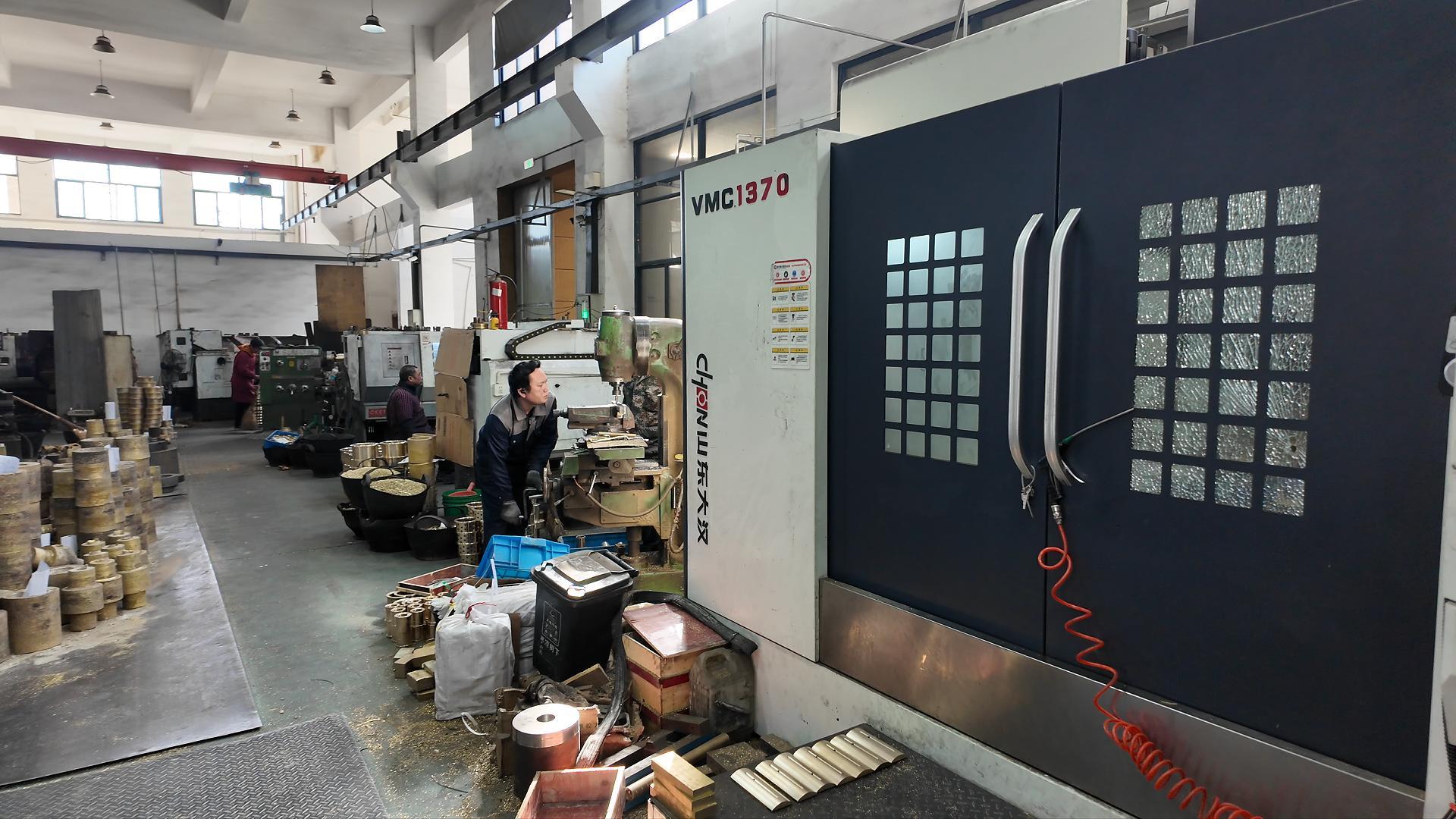
Suitable Machining Processes for Phosphor Bronze Mechanical Parts
- CNC Turning & Milling→ Ideal for pins, bushings, and contact plates.
- Stamping & Forming→ Combined with machining for springs and diaphragms.
- Drilling & Tapping→ Clean threads for assembly parts.
- Grinding→ For precise bearing and contact surfaces.
Advantages of Machining Phosphor Bronze for Mechanical Parts
- Exceptional fatigue resistance→ Withstands millions of cycles in springs.
- High elasticity & spring properties→ Reliable return force.
- Corrosion & wear resistance→ Long life in humid or sliding applications.
- Low friction→ Smooth operation in bearings and contacts.
- Good conductivity→ Dual-use in electro-mechanical parts.
-
Challenges & Practical Solutions
- Work hardening→ Light passes and sharp tools.
- Springback→ Design compensation in forming.
- Gummy chips→ High-pressure coolant.
- Fatigue cracking risk→ Proper stress relief.
Engineering Experience: In our phosphor bronze projects at Cymbermetal, C51000 mechanical springs for automotive sensors often experienced springback issues during forming. We mitigated this with precise tool design and controlled annealing, achieving consistent force characteristics and ±0.01 mm tolerances in high-volume production.
Pro Tip: Diamond-coated tools reduce burrs and improve finish on delicate mechanical contacts.
-
Design Considerations & Tips for Mechanical Parts
- Tolerances: ±0.01–0.03 mm for springs and contacts.
- Wall Thickness: 0.5–2 mm for elasticity in mechanical components.
- Radii: Generous to avoid fatigue cracks.
- Surface Finish: Ra 0.2–0.4 µm for low wear in sliding parts.
- Stress Relief: Essential post-machining for mechanical longevity.
Tooling & Parameter Recommendations
- Tool Material: Coated carbide; diamond-coated for precision.
- Example Parameters (C51000):
- Spindle: 6,000–10,000 RPM
- Feed: 800–1,800 mm/min
- Depth: 0.5–2 mm axial
- Coolant: High-pressure—prevents hardening.
-
Common Deliverable Parts We Machine in Phosphor Bronze
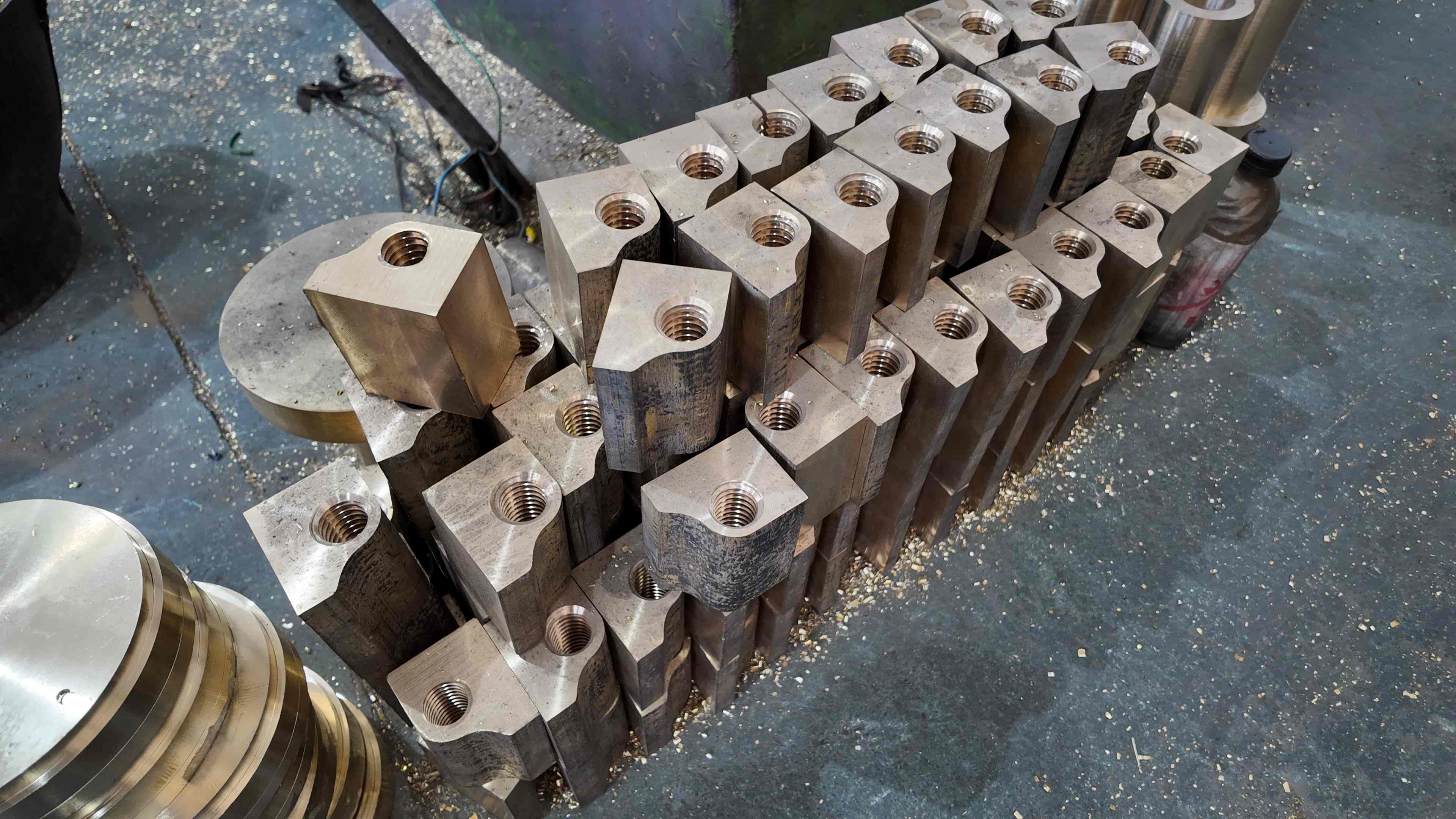
- Compression, extension, and torsion springs
- Electrical and mechanical connectors
- Bushings and sliding bearings
- Contact pins and terminals
- Diaphragms and bellows
- Switch and relay components
Real-World Applications for Mechanical Parts
- Automotive sensors and relays
- Precision instruments and switches
- Telecommunications equipment
- Aerospace mechanical contacts
- Industrial automation components
Cost & Sustainability Factors in 2026
Moderate pricing (~$10–14/kg) with high recyclability and efficient material use in forming.
Final Thoughts
Phosphor bronze machining addresses critical fatigue and wear challenges in mechanical parts—delivering components that provide reliable performance in high-cycle environments.
If you’re sourcing reliable CNC machining for phosphor bronze mechanical parts—whether springs, connectors, or custom fatigue-resistant components—Cymbermetal offers stocked grades, tight tolerances, and flexible volumes from prototypes to full production.
Ready to explore options? Download our latest phosphor bronze catalog for material specs and examples, or contact our engineering team for quotes and support.
Post time: Jan-29-2026